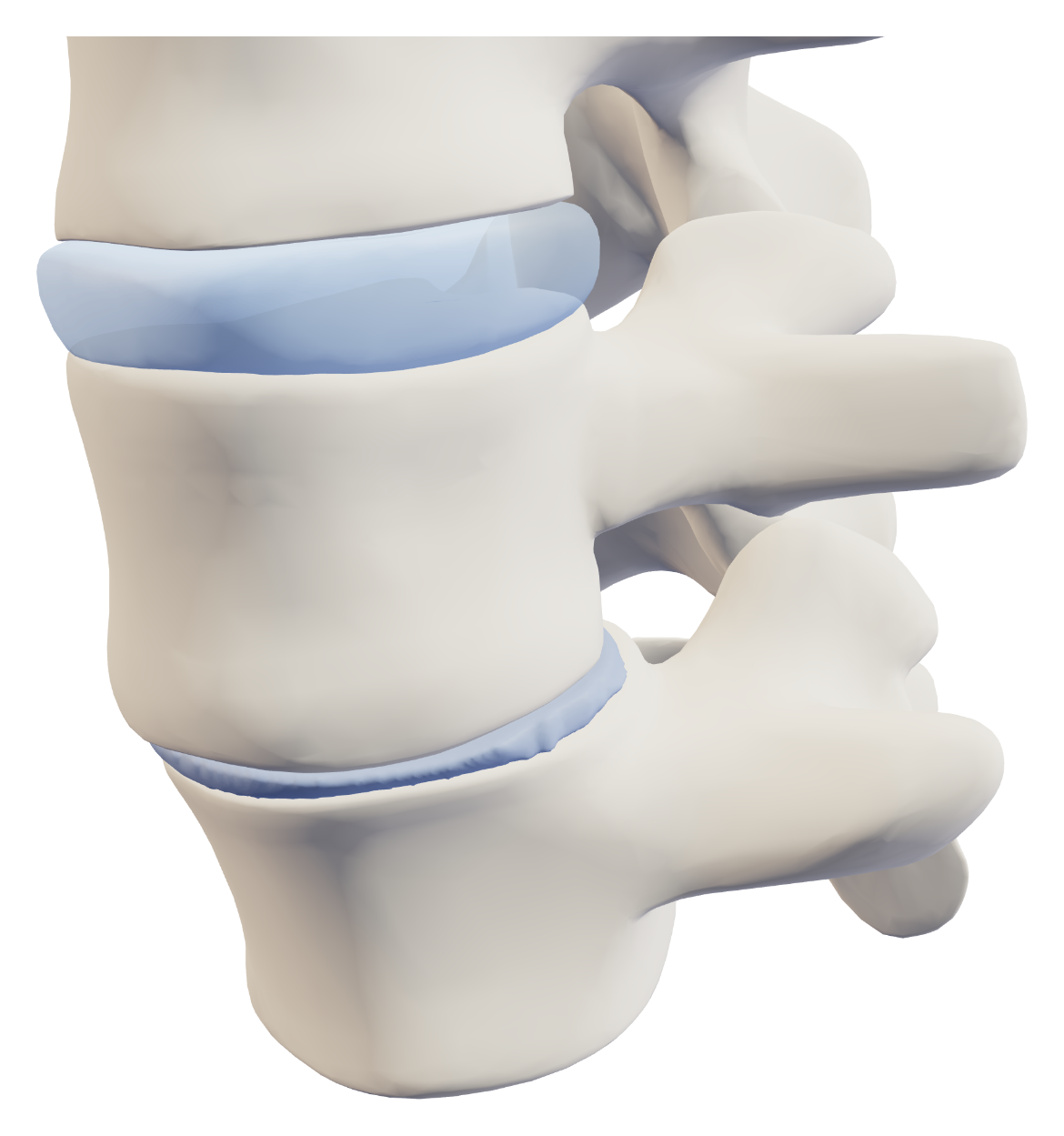
Access anterior to the psoas.
The surgeon reaches the treated level through a lateral corridor anterior to the psoas.

Vertebral Body Osteotomy
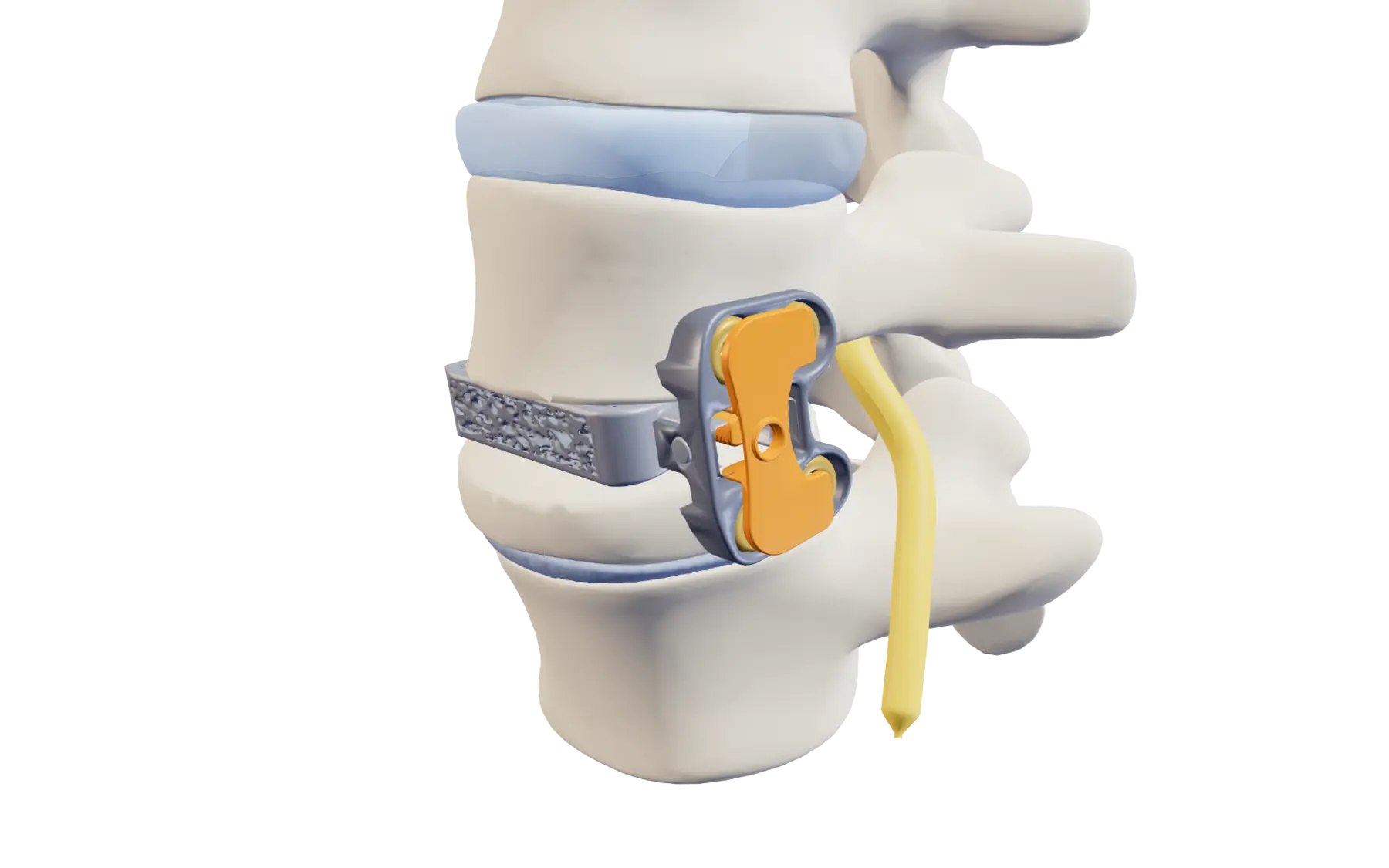
VBO®Vertebral Body Osteotomy (VBO) restores foraminal height within a single vertebra, relieving nerve compression without fusing across the disc, with implant options designed to address sagittal and coronal alignment. It’s performed through one lateral approach using the FDA-cleared Vertiwedge® system.
The clinical problem
Surgeons treating foraminal stenosis have typically had to choose. Direct decompression preserves motion but doesn’t restore height or address alignment. Interbody fusion achieves indirect decompression and correction, but joins two vertebrae across the disc. For patients, that often means choosing between living with the pain and giving up motion. For appropriately selected patients, VBO is designed to offer indirect decompression and alignment options while preserving motion at the disc.
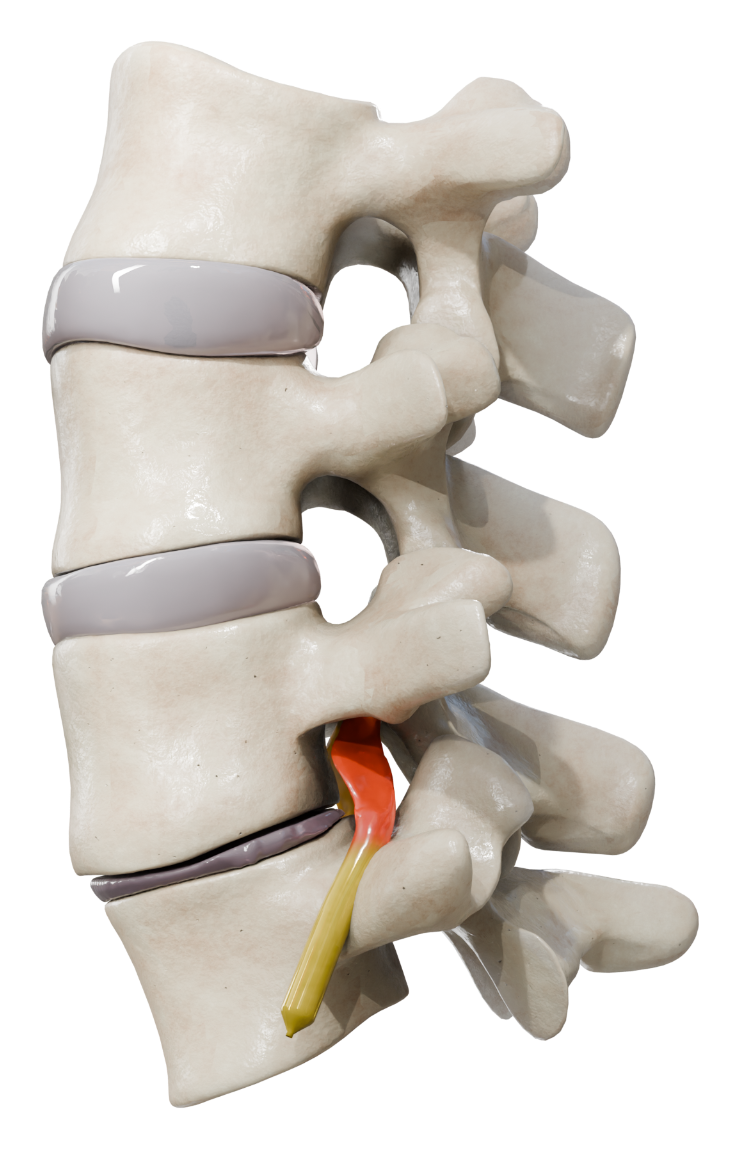 Before surgery
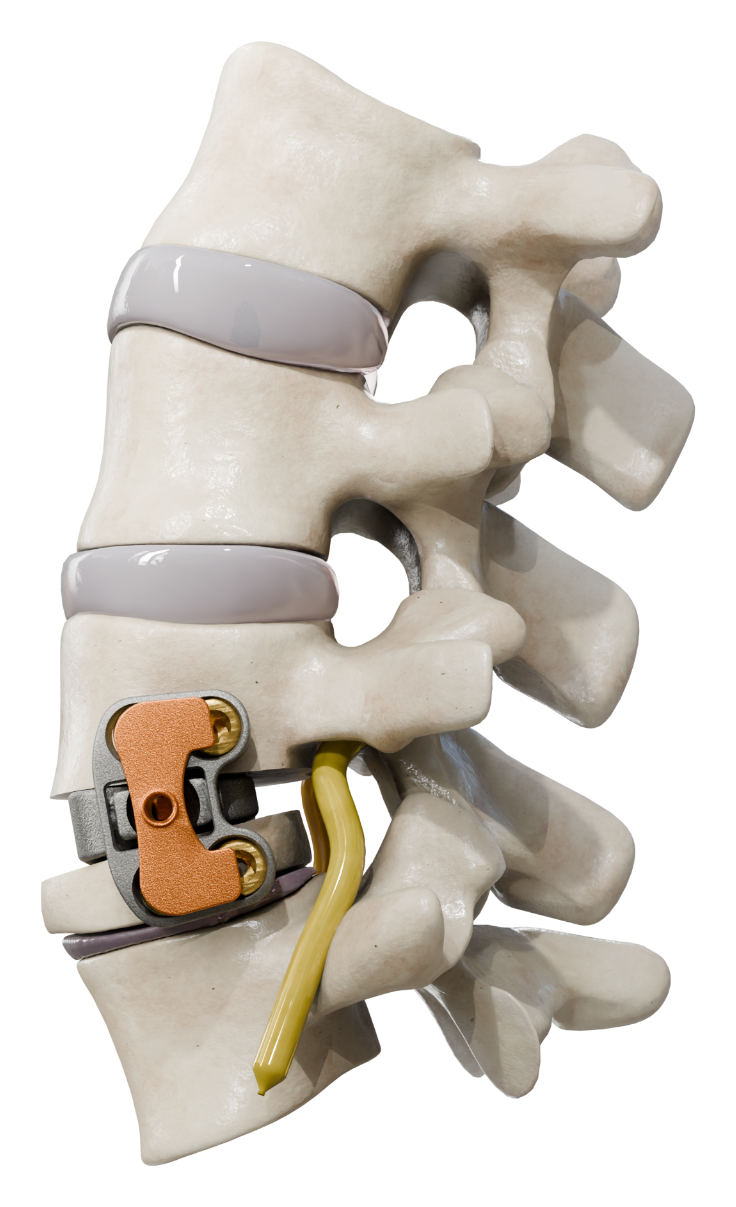 After surgery
How VBO compares
Each approach has its place. The difference is how decompression is achieved, where height is restored, and what happens to motion across the disc.
| Feature | Direct decompression | Interbody fusion | VBO |
|---|---|---|---|
| Decompression | Direct | Indirect | Indirect |
| Implant location | None | Disc space | Within one vertebral body |
| Restores foraminal height | No | Yes | Yes |
| Alignment options | Not addressed | Lordotic and coronal implants | Lordotic and coronal implants |
| Motion across the disc | Preserved | Fused | Designed to be preserved |
Direct decompression includes procedures such as foraminotomy and laminectomy. Interlaminar devices are not included here because their mechanisms and use vary.
Direct decompression and interbody fusion remain appropriate options for many patients and spinal conditions. VBO is intended for appropriately selected patients.
How VBO works
VBO creates correction within one vertebral body. Bone healing occurs across the osteotomy inside that vertebra rather than between neighboring vertebrae, so the procedure is designed to preserve motion at the disc.
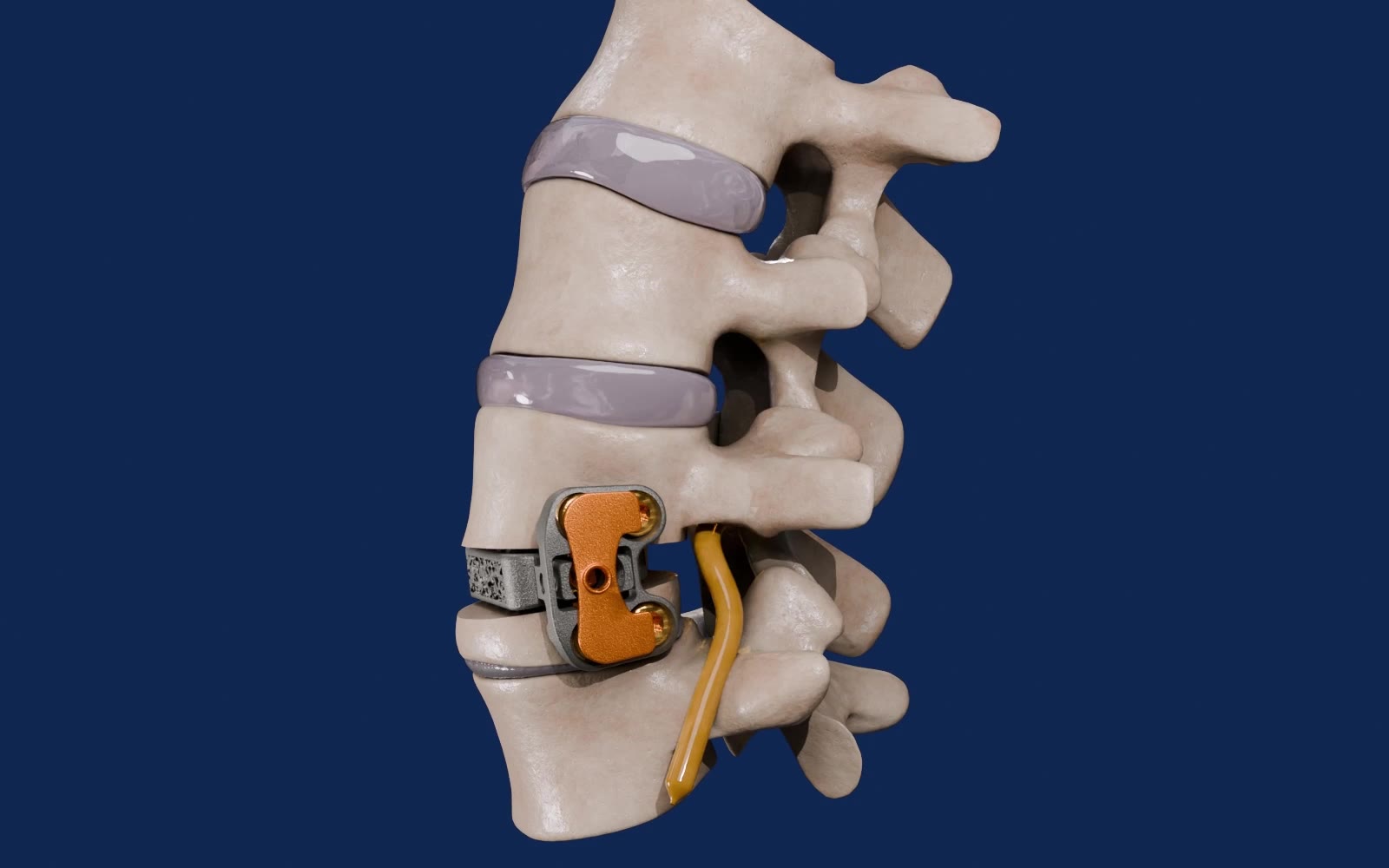
The surgeon reaches the treated level through a lateral corridor anterior to the psoas.
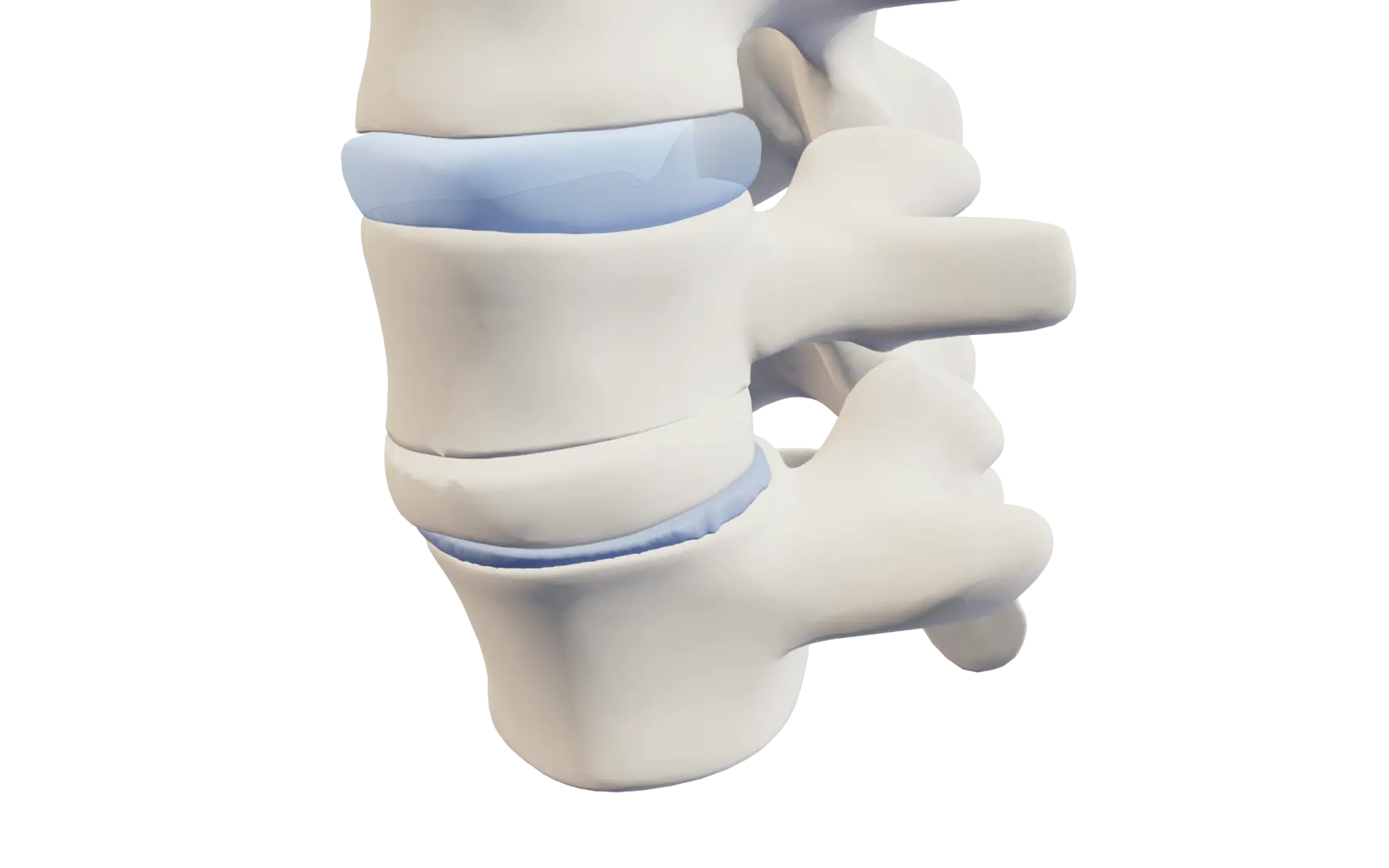
Dedicated instrumentation creates an opening across part of the target vertebral body.
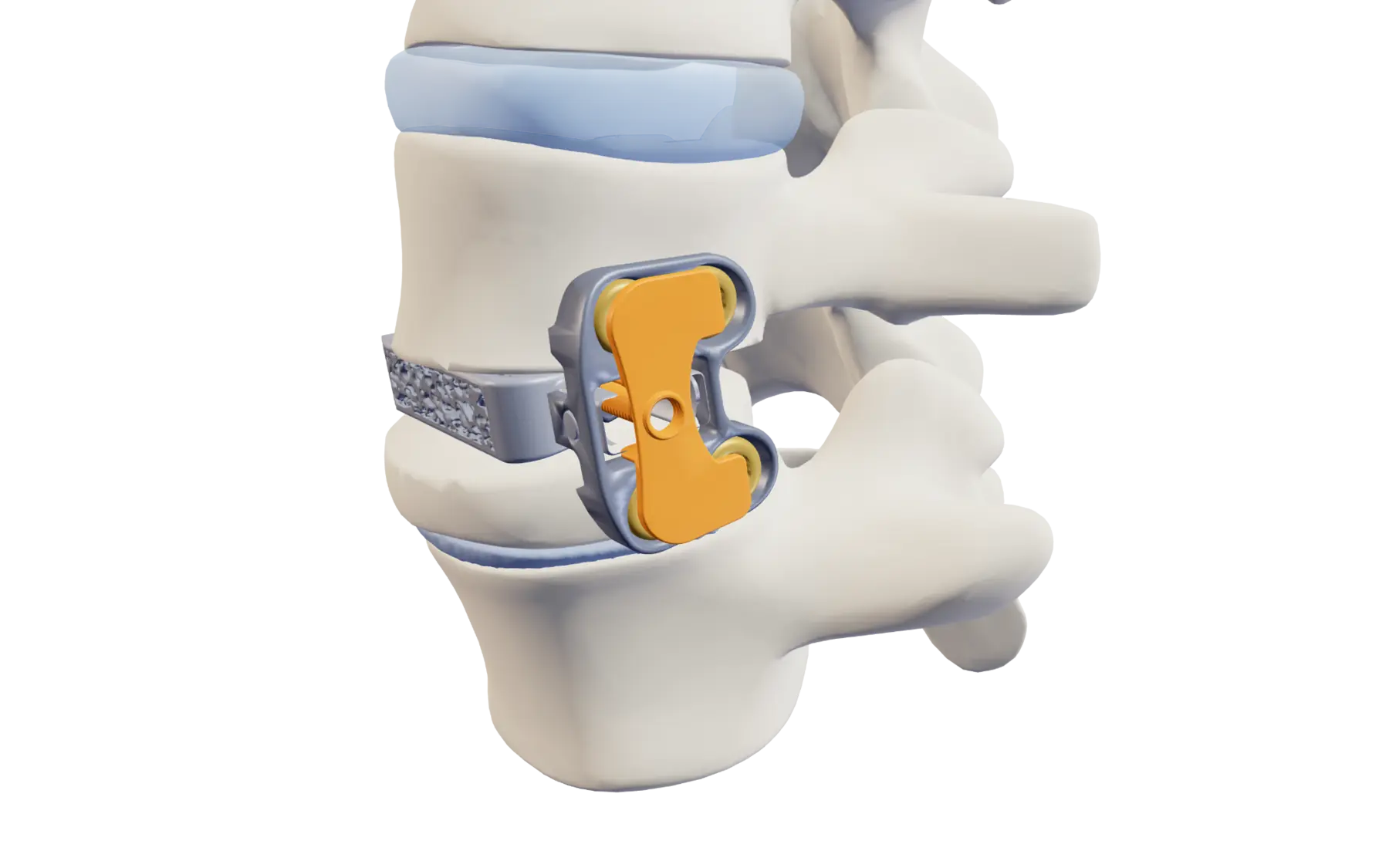
Vertiwedge® is positioned within the osteotomy to restore and support vertebral body height for indirect decompression.
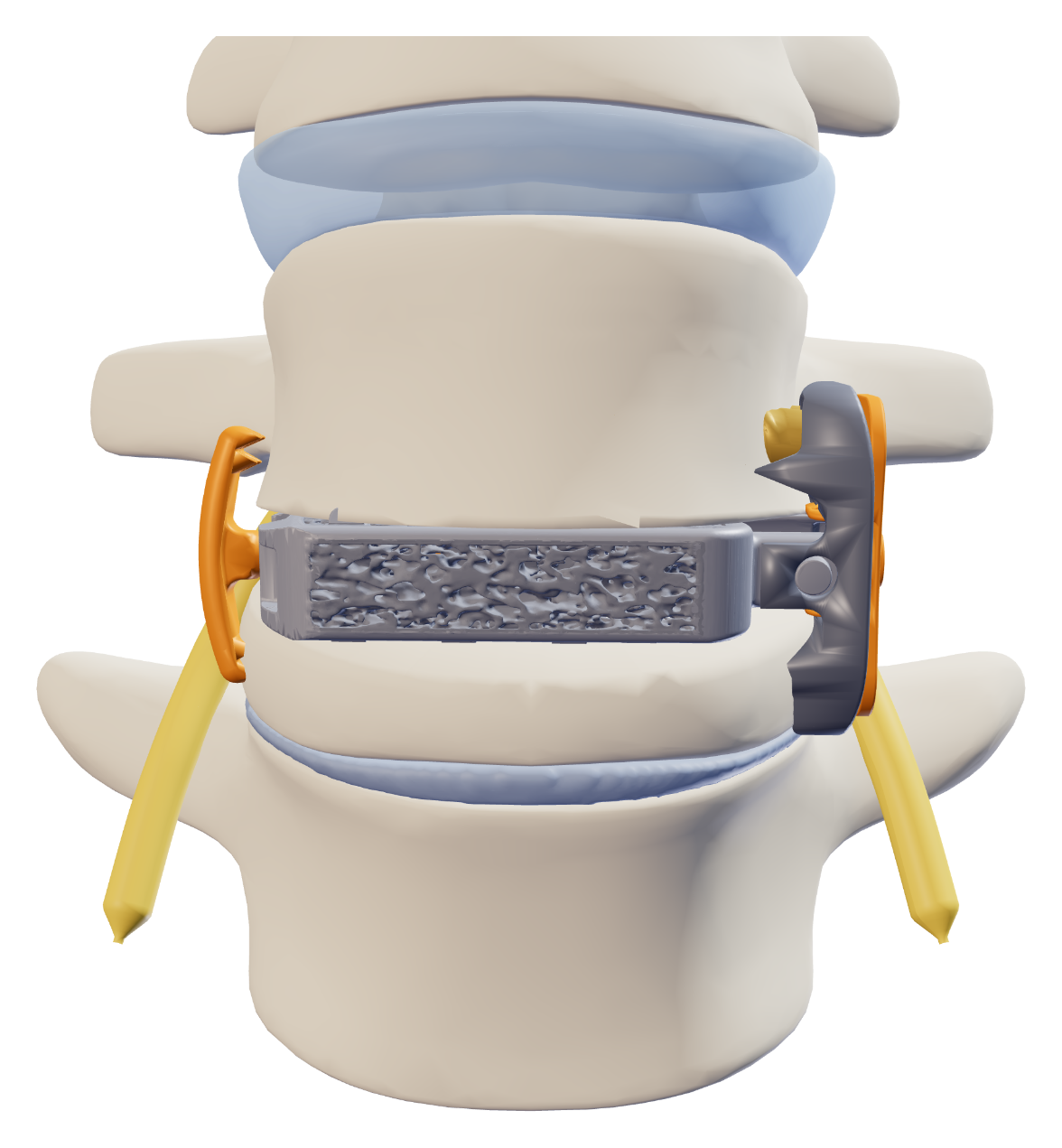
Bone screws and a lateral plate secure the near side; Vertiwedge’s deployable staple secures the far side, all through the same approach.
The technology behind VBO
VBO is the procedure. Vertiwedge® is the FDA-cleared intraosseous system that restores and supports height. Bone screws and a lateral plate secure the near side of the vertebra, and a proprietary deployable staple mechanism, protected by issued and pending patents, secures the far side. Vertiwedge is available in a wide range of sizes and lordotic and coronal angulations.
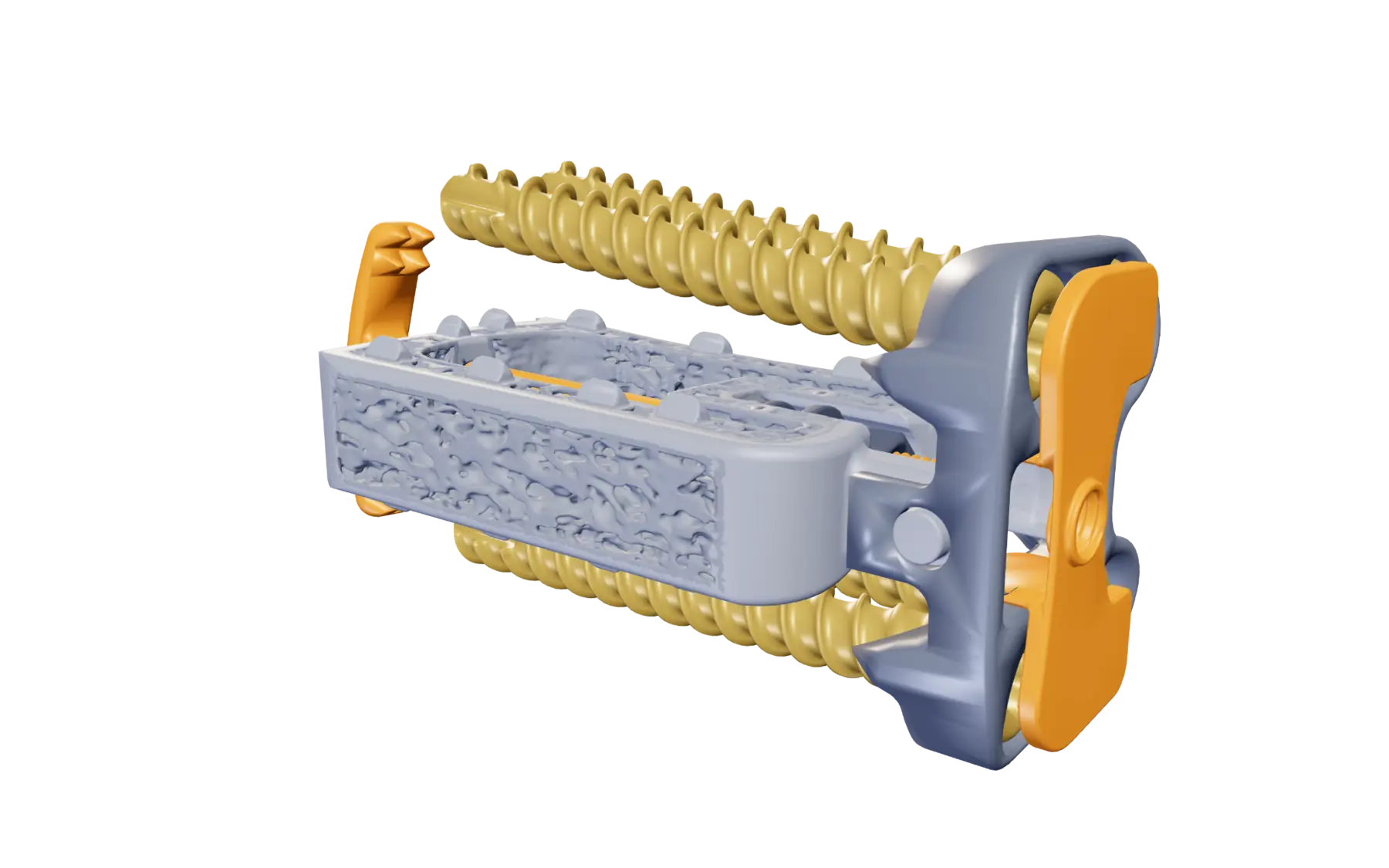
Far-side fixation: the deployable staple.
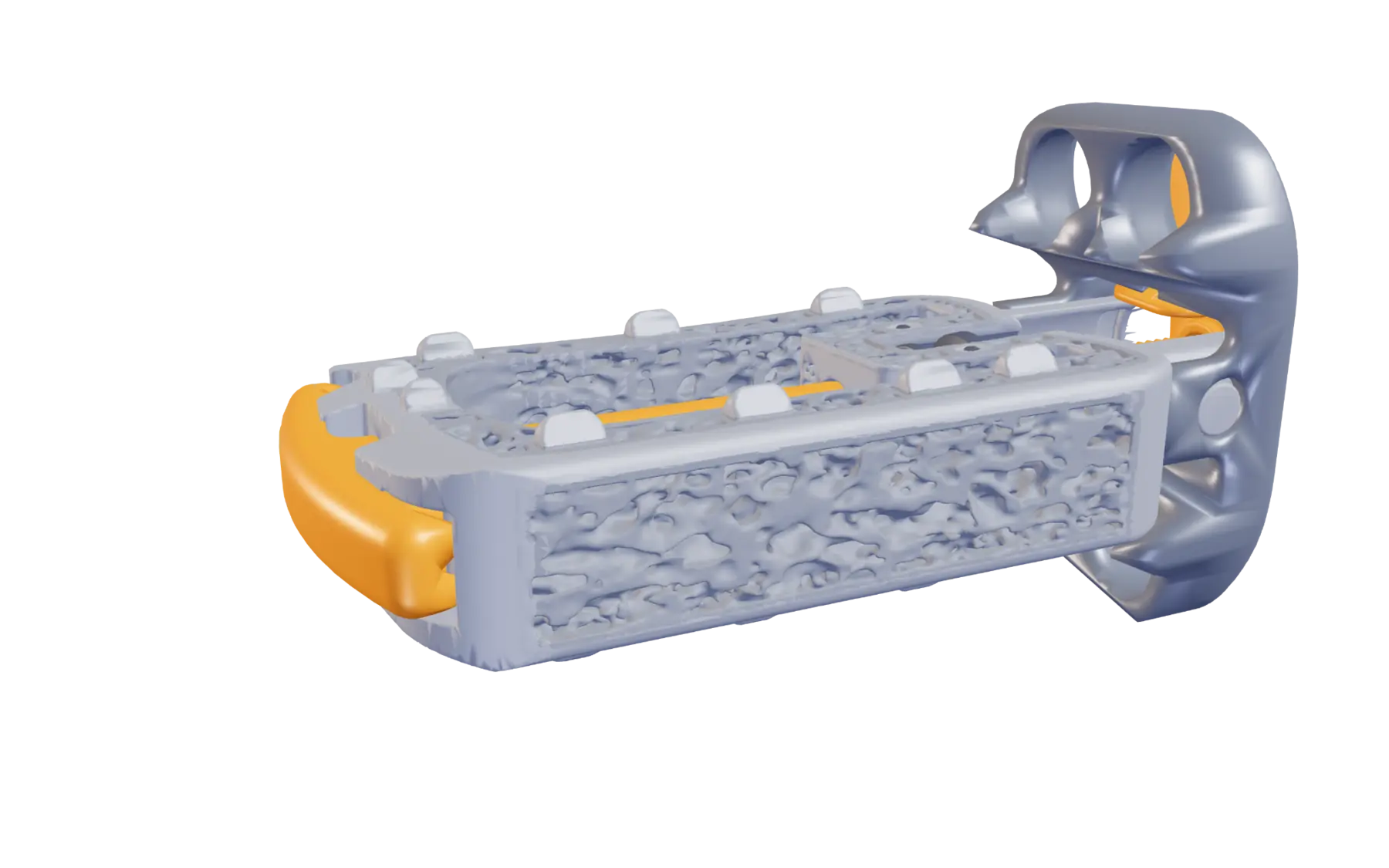
The deployable staple remains housed within Vertiwedge® during implant placement.
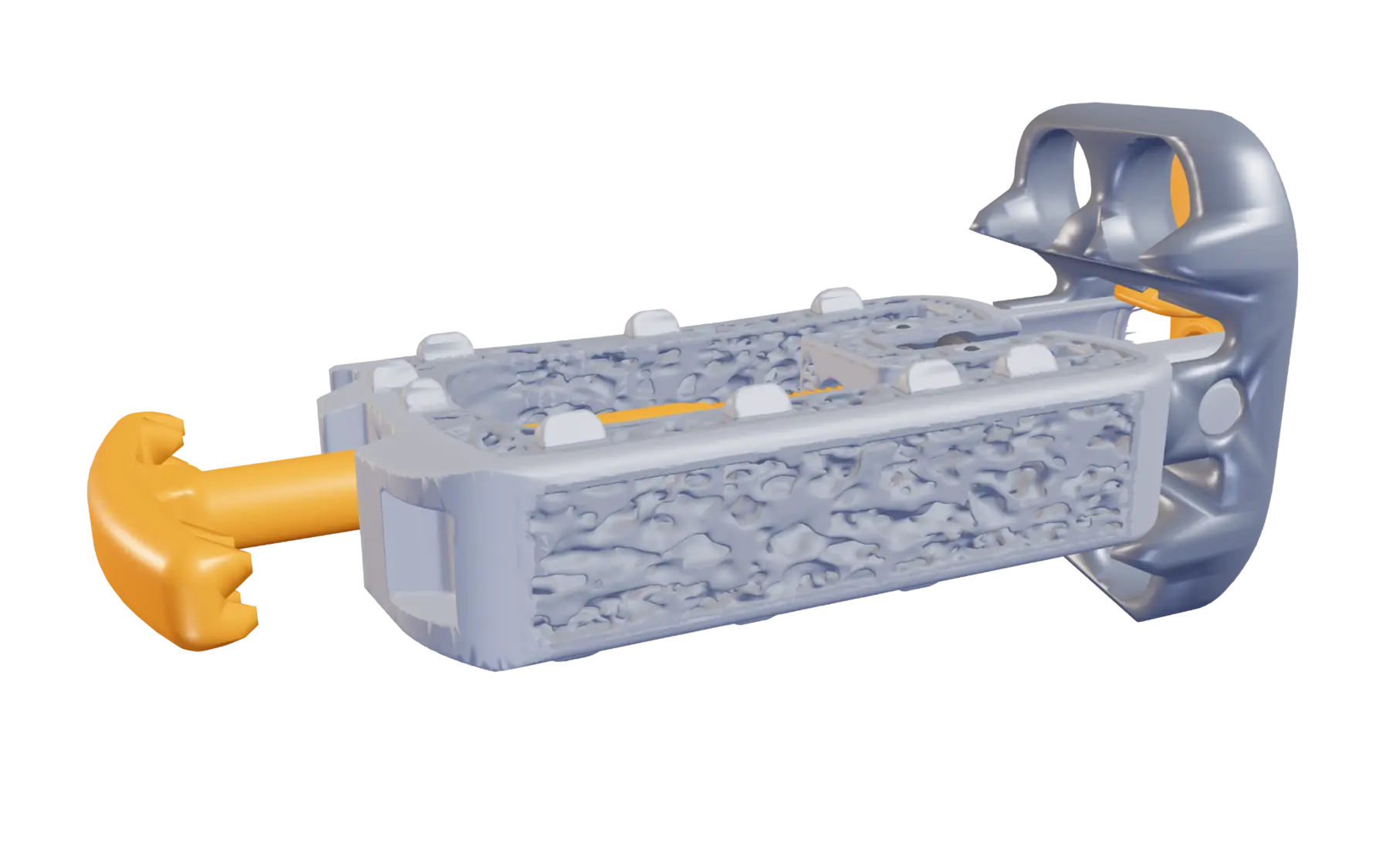
The staple advances across the vertebral body from the lateral implant position.
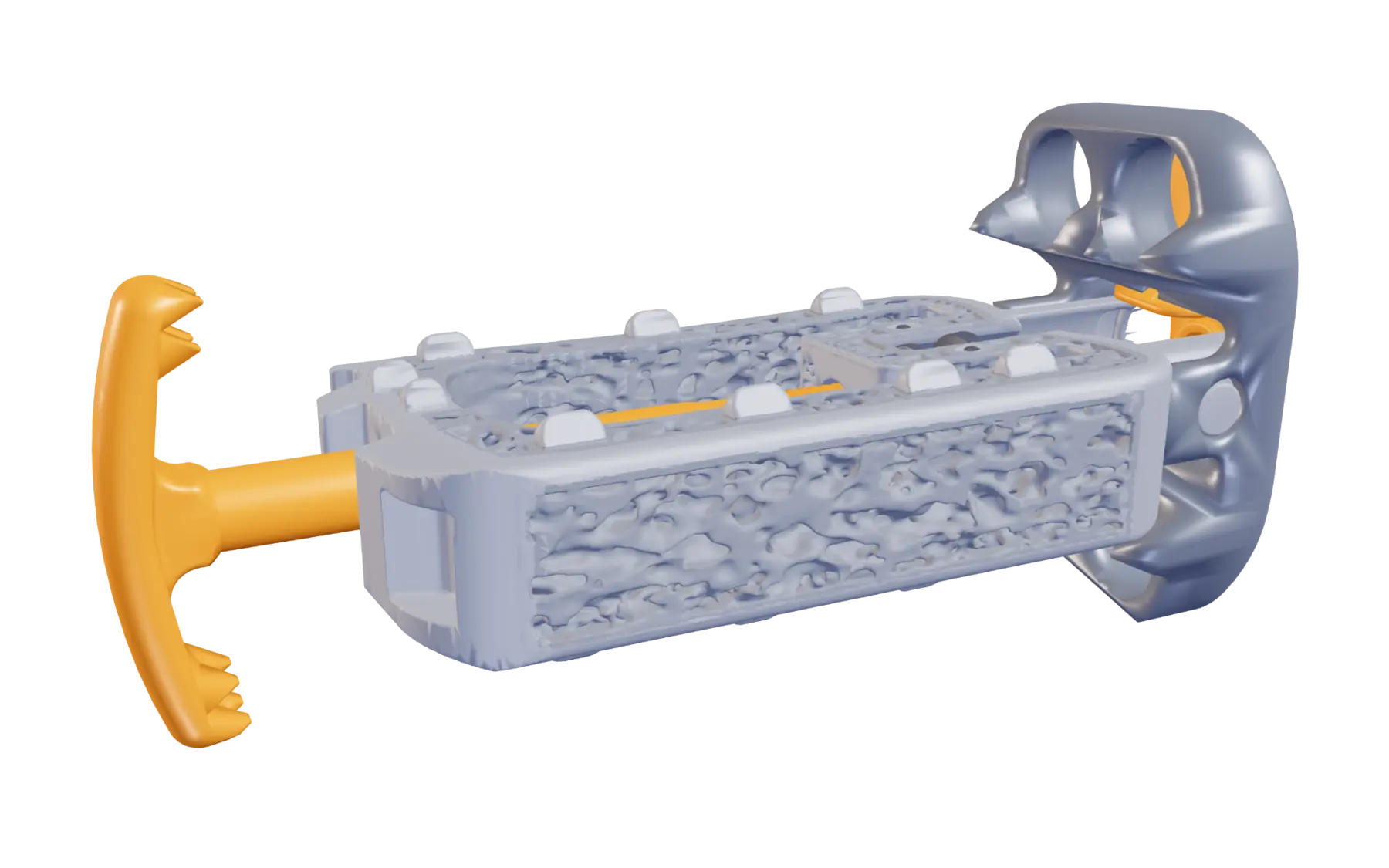
The staple turns into its fixation orientation on the opposite side of the construct.
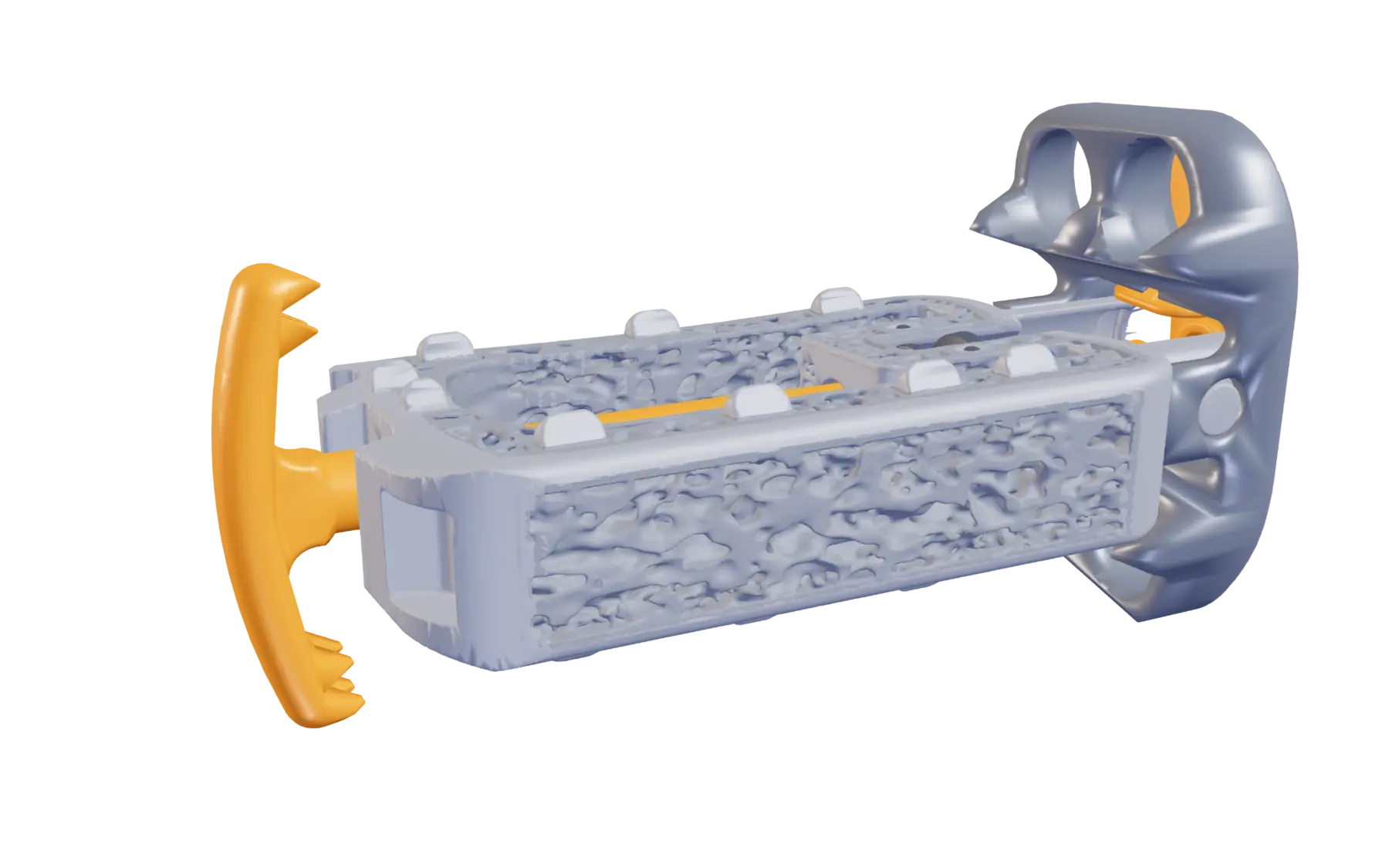
The staple draws back into its seated position to secure the far side.
Indications
Vertiwedge® is cleared for use in the thoracolumbar spine from T1–L5 to partially replace a diseased or damaged vertebral body and/or restore the height of a collapsed vertebral body following an osteotomy. The cleared indications include degenerative spine disease and previous trauma, including fracture or tumor. The system is used with bone graft and its contralateral staple.
The cleared labeling also includes use in certain advanced-stage tumor cases when life expectancy is insufficient to permit fusion. This summary does not replace the full labeling or a surgeon’s clinical judgment.